Emergency Dental Care · Geraldton

Dental emergency in Geraldton? Call us first. We'll ask what happened and help you decide what to do next.

Call the clinic
(08) 9964 3577

Time is set aside every weekday for exactly this. Or book online — you'll get a callback as soon as possible.

Open now Closes at 5:00pm today
HICAPS on the spot Same-day when available Payment plans Written quote first
First things first

Is this your emergency? Use this as a quick check — then call us if you're unsure.

Not every dental problem is an emergency, and not every emergency belongs at a dental clinic. If you're not sure where you fall, call. Better you ring and it isn't urgent than wait and it was.

Not for us — act now

Call 000 or go to ED.

Call 000 immediately
  • Jaw fracture or major facial trauma
  • Uncontrolled bleeding after 15 minutes of pressure
  • Swelling affecting breathing or swallowing
  • Loss of consciousness after injury
  • Severe allergic reaction to medication

Geraldton Health Campus ED handles these first — we can follow up for the dental work afterward.

Urgent — call us today

We'll do our best to see you today.

Call us
  • Knocked-out adult tooth (time-critical — within 1 hour)
  • Pain severe enough to wake you at night
  • Visible pus, abscess, or facial swelling
  • Broken tooth with a sharp or painful edge
  • Lost crown or filling exposing the nerve
  • Injury after a sports incident or fall

If we're closed, Geraldton Health Campus ED can help you through the night.

Not urgent — book soon

Book within a day or two.

Book online
  • Chipped tooth with no pain or sharp edge
  • Lost filling with no discomfort
  • Mild toothache that comes and goes
  • Wisdom-tooth area feels tender
  • Mouth ulcer that hasn't healed in two weeks

Still worth getting seen promptly — small problems have a way of becoming bigger ones.

Until you can get to us

What to do right now. These are things you can do in the next 30 minutes.

None of this fixes the problem — it stops it getting worse until we see you. Every one of these still needs a dentist.

Knocked-out adult tooth

Right now

Keep the tooth moist — milk is ideal, or hold it in the saliva of your cheek. Don't scrub it or let it dry out.

Why come in

Re-implantation works best within the first hour. The longer it's out, the less likely it takes.

Call us on the way — (08) 9964 3577

Broken or chipped tooth

Right now

Rinse gently with warm water. Save any broken pieces in milk or a clean container.

Why come in

The nerve may be exposed even if there's no pain yet. Waiting can turn a filling into a root canal.

Call us on the way — (08) 9964 3577

Swelling or abscess

Right now

Warm salt-water rinses every hour. Don't apply heat packs — they make swelling worse.

Why come in

Infections don't resolve without treating the cause. Antibiotics and prescription medications are not provided without a clinical assessment by the dentist.

Call us on the way — (08) 9964 3577

Lost filling or crown

Right now

Keep the crown if you have it — we may be able to re-cement it. Avoid chewing on that side.

Why come in

The tooth underneath is unprotected and vulnerable. It can chip or become sensitive quickly.

Call us on the way — (08) 9964 3577

Severe toothache

Right now

Over-the-counter pain relief per the packet. Cold compress on the outside of the cheek, not directly on the tooth.

Why come in

Pain this intense means something's wrong underneath. Painkillers only buy time — they don't treat the cause.

Call us on the way — (08) 9964 3577

Bitten lip, cheek, or tongue

Right now

Gentle pressure with a clean cloth for 10–15 minutes. Cold water rinse, then leave it alone.

Why come in

Some bites need sutures. Others heal themselves — we'll tell you which without you having to guess.

Call us on the way — (08) 9964 3577
The protocol

During hours, and what to do when we're not here.

Mon–Fri · 8am – 5pm

During business hours.

Call us the moment you know something's wrong. A five-minute phone conversation helps us understand your situation — and whether we can see you in the next hour, the next afternoon, or tomorrow morning.

  • We offer same-day emergency dental appointments whenever possible
  • Our team keeps space available for urgent cases, with occasional short waits
  • You'll get a rough arrival time on the call, not a four-hour window
After hours & weekends

We don't operate an after-hours line.

The clinic is closed evenings, weekends, and public holidays. That's honest rather than a sales pitch for availability we couldn't actually deliver well. Here is the plan when we are closed.

  • For life-threatening emergencies, call 000
  • For urgent dental issues after hours, go to Geraldton Health Campus ED
  • If you contact us after hours, leave a voicemail and we'll return your call as soon as possible on the next business day
Geraldton Health Campus — Emergency Department

51-85 Shenton Street, Geraldton WA 6530 · Open 24/7 · Main phone: (08) 9956 2222. For severe bleeding, facial trauma, breathing difficulty, significant swelling, or another medical emergency, attend ED or call 000. Chapman Road Dental follows up for dental care afterward.

What happens when you walk in

An emergency visit isn't a normal appointment run faster.

It's a different process — pain first, plan second, and nothing definitive until you've had time to think.

You call — we ask what happened.

A five-minute conversation before you drive anywhere. We'll ask what happened, where the pain is, when it started, and whether you need to be seen right now or later today. We'll tell you what to bring.

You arrive — we assess you as soon as possible.

We keep space for urgent care, though there may be a short wait as emergency patients are fitted between scheduled appointments. We then examine, take a small x-ray if needed, and work out what's actually going on. The first goal is pain relief, not a long treatment plan.

We stabilise — then plan the rest.

Today's job is getting you comfortable: numbing, draining, temporising, or prescribing. Definitive treatment — the filling, the crown, the root canal, the extraction — gets discussed once you're out of pain and can think clearly.

Our first job in an emergency is pain relief — not upselling you the perfect tooth.
The most common reasons people call

Emergencies we see every week.

If your situation isn't on this list, call anyway — most emergencies are variations of these.

Severe toothache (pulpitis)

A throbbing, relentless tooth pain that's hard to localise. Usually means the nerve inside the tooth is inflamed or infected — and it won't settle on its own.

Typical visit
Examination, x-ray, nerve assessment, pain relief
Timing
Same day when available

Dental abscess / infection

Swelling, pus, and a bad taste — sometimes with fever. The tooth is usually painful to press on. This needs treating, not waiting out.

Typical visit
Examination, imaging, drainage or prescription
Timing
Same day — call early

Knocked-out tooth (avulsion)

A tooth that's come completely out of the mouth after trauma. Time-critical — the first hour is what matters most.

Typical visit
Re-implantation assessment, splint, follow-up plan
Timing
Within 1 hour for best outcome

Broken or chipped tooth

A piece of tooth that's fractured, cracked, or chipped. Sometimes painful, sometimes not — depth matters more than how it looks.

Typical visit
Assessment, bonding or temporisation
Timing
Same or next day

Lost filling, crown, or bridge

A previous restoration has come out or come loose. Usually not urgent, but needs attention within a day or two before the underlying tooth is damaged.

Typical visit
Re-cementation or temporary coverage
Timing
Within 1–2 days

Sports and trauma injuries

Footy, netball, skate accidents, falls. Often a mix of chipped teeth, bitten lips, and soft-tissue injury. We see plenty of these — especially during local winter season.

Typical visit
Multi-site assessment, stabilisation, written plan
Timing
Same day or within 24 hours
Because this matters when you're in pain

Costs discussed first. Before treatment begins.

Cost is often the reason people wait — and waiting usually makes things worse and more expensive. We'd rather have this conversation upfront than catch you off guard after the work is done.

Four things we always do

Triage before you travelWe assess your situation on the phone first. If the ED is the right call — or if you can safely wait until morning — we'll tell you that before you drive in.
Exam before any treatmentNothing starts without a proper look. We take an x-ray if needed, examine the tooth, and tell you exactly what's happening before we propose anything.
Written quote before we startYou'll see costs on paper before any treatment begins. Never a bill after the fact. If it changes mid-appointment, we stop and tell you.
Pain relief first — everything else secondYour immediate comfort is the priority. The longer-term treatment plan gets discussed once you're out of pain and can think it through clearly.

Emergency visits vary widely — a five-minute adjustment costs very differently from a longer visit with x-rays and temporisation. We'll tell you what your specific situation will cost on the phone or at reception. Your written quote covers everything we plan to do that day.

HICAPS on the spot

HICAPS instant claiming is available at reception for eligible items. Reception can help process eligible HICAPS claims or estimates once treatment item numbers are known. Benefits, limits, waiting periods, and gaps depend on your fund, policy, and treatment item numbers.

Written estimates

For larger emergencies where care naturally needs more than one visit, we explain the clinical sequence and likely fees before you commit.

Cost conversations

If cost is a concern, tell reception before treatment starts so the next step is clear and you can decide with the facts in front of you.

DVA & CDBS accepted

Veterans' cards and the Child Dental Benefits Schedule are accepted on-site. Bring the card and we'll explain any gap before treatment begins.

If you're not a regular here

You don't need to be on our books to be seen.

We see plenty of patients who aren't regulars — tourists driving the Coral Coast, FIFO workers flying in for shifts, visiting family in Rangeway or Spalding, or locals who've just moved to town. Emergencies don't wait for someone to be on our books.

We'll see you the same way we see everyone else: stabilise the problem, write a clear plan, and hand over to your regular dentist at home if that's where you're heading next. You won't be seen as a once-off — you'll be treated as a person in pain who needs help today.

What to bring if you can

  • Photo ID and Medicare card
  • Health fund card (for eligible HICAPS claims or estimates)
  • A list of any medications you take
  • The knocked-out tooth or broken fragment if relevant
  • Your regular dentist's name and town — we'll write them a letter
Children's emergencies

Kids' dental emergencies follow different rules.

Baby teeth aren't adult teeth, and the response isn't always the same. If your child has knocked out a tooth, broken one, or is in pain and swelling — call us, and we'll talk you through exactly what to do.

Visit our children's dentistry page
Knocked-out baby tooth
Do not re-implant — it can damage the adult tooth developing underneath. Apply gentle pressure to stop bleeding, then call us.
Knocked-out adult tooth (child)
Same protocol as an adult — keep it moist in milk or saliva, get to us within the hour. Time still matters.
Chipped front tooth
Save the fragment in milk if you can. Call us — even a painless chip can have exposed pulp that needs seeing.
Swelling or fever
Dental infections in children can escalate quickly. Call us the same day rather than waiting for a next-day appointment.
The questions people call and ask

Honest answers to the things you're already wondering.

Will I be seen today?
We offer same-day emergency dental appointments whenever possible.

Our team keeps space available for urgent cases, although there may occasionally be a short wait as emergency patients are fitted between scheduled appointments.

What helps us help you faster:

Call rather than booking online for urgent problems. When you ring, tell reception what's happening: where the pain is, when it started, whether there's any swelling or trauma. That conversation lets us assess how quickly you need to be seen — and it means you're not sitting at home wondering if you need to go to the ED instead.

What to tell us when you call:

— The main symptom (pain, swelling, knocked-out tooth, lost filling)
— When it started and how bad the pain is out of 10
— Any swelling, fever, or difficulty swallowing — these change the urgency

Saturdays: We don't have standard Saturday emergency slots. If something happens over the weekend, the Geraldton Health Campus ED can provide after-hours stabilisation and our team will return your call as soon as possible on the next business day.

The short version: call us. Even if we can't see you today, we'll tell you the right next move.
Does emergency care cost more than a regular appointment?
Here's what you can expect.

An emergency visit is billed as a consultation — the same way a regular appointment is. What changes is the scope of work: an emergency often involves an examination, x-rays, pain management, and same-day stabilisation. That's sometimes two appointments' worth of work compressed into one, so the cost can be higher than a routine check-up.

What never changes: you see the cost before we start.

We give you a written quote for any treatment before we begin. Nothing happens — no injection, no extraction, no temporary filling — without your agreement. If the situation changes mid-appointment, we stop and tell you before we continue.

Health funds: Bring your health fund card. We can process eligible HICAPS claims or estimates once treatment item numbers are known. Benefits, limits, waiting periods, and gaps depend on your fund, policy, and the item numbers used for your visit.

If cost is a concern, tell us when you call. We can give you a rough estimate over the phone for common emergencies, and we'll explain fees, HICAPS where relevant, and written estimates before the appointment starts. We'd rather sort this out upfront than have it sit between you and getting treated.

See also: book online or call (08) 9964 3577 to talk it through first.
What if I can't afford it right now?
Tell us at reception — this conversation happens weekly.

We would rather make the next step clear than have cost be the reason you waited. Here is what is available:

HICAPS on the spot: If you have private health insurance, bring your health fund card. We can process eligible claims at reception; benefits, limits, waiting periods, and gaps depend on your fund, policy, and treatment item numbers.

Written estimates: For larger emergencies where the work naturally needs more than one visit, we explain the clinical sequence and likely fees before you commit.

Child Dental Benefits Schedule (CDBS): If your child is eligible (aged 0–17, and you receive certain government payments including Family Tax Benefit A), the CDBS contributes up to $1,158 toward dental care over 2 calendar years — including emergency consultations. We're a registered CDBS provider; bring your Medicare card and we'll walk you through any gap before treatment begins.

DVA: Gold Card and White Card holders — bring your card and we handle the paperwork.

Pain relief comes first. We work out the rest together. If you're not sure what you have access to, just say so when you call — we'll help you figure it out before you even walk in.
I haven't been to a dentist in years — will you judge me?
No.

The number of people who come in apologising for not coming sooner is high. And honestly — not the point.

Our job today is your pain, not your history. We're not going to lecture you about the last five years or make you feel worse about being here than you already do. You came in. That's the bit that matters.

What actually happens:

We look at the tooth causing the problem. We take an x-ray if we need one. We tell you what's happening and what your options are — clearly, without pressure. If there's other work that would help you down the track, we'll mention it once, in plain language, and leave it with you to decide.

If it's been a long time and you're anxious about more than just this tooth:

Tell us when you call or at reception. We can note it on your chart so everyone you meet on the day knows. You can go at your own pace — there's nothing definitive about today except making you comfortable. If you want to read more about what a first visit looks like, our new-patients page walks through the whole thing.

Today's job is the one tooth that's hurting. Everything else can wait until you're ready.
I'm scared of the dentist — can you still help?
Yes — and you're not alone in feeling this way.

Around one in six Australian adults reports significant dental fear. For many, the anxiety is worse than the actual experience — but that doesn't make it less real when you're sitting in the car park deciding whether to go in.

What we do differently for anxious patients:

— Tell us when you call. Reception will note it on your chart before you arrive, so every person you meet on the day already knows.
— We explain every step before we do it, and pause before each step so you can keep pace.
— You can raise your hand at any point and we stop. Immediately. No questions.
— Nitrous oxide may be available where clinically suitable. Ask about it when you book — we'll let you know if it's appropriate for your case.
— We can schedule a slightly longer appointment so nothing feels rushed.

On an emergency day specifically:

You're already in pain, which makes the fear worse. We know that. The priority is getting you comfortable as quickly as possible — because once the tooth is numb, everything else is much more manageable.

If you'd like to know more about what a first visit looks like before the emergency, our new-patients page covers the full process. Or just call us — talking to reception before you arrive can make the day feel a lot less daunting.
Can you just prescribe antibiotics over the phone?
Our team may provide general advice over the phone to help you manage discomfort until your appointment.

However, antibiotics and prescription medications are not provided without a clinical assessment by the dentist.

Here's why that matters for your care:

Antibiotics treat the bacteria — they don't drain the abscess.

A dental abscess has a physical source: a dead or dying tooth nerve, bacteria in the root canal, or an infection in the gum. Antibiotics can temporarily reduce the symptoms and slow the spread, but they cannot reach inside the tooth to address the cause. Once you stop the antibiotics, the infection returns — often worse, because the source was never dealt with.

The current clinical evidence is clear: source treatment (draining the abscess, removing the infected pulp, or extracting the tooth) is the definitive treatment. Antibiotics are adjunctive — given alongside treatment when there are signs of systemic involvement, not instead of it.

Why we can't prescribe without seeing you:

— Diagnosis requires examination and imaging. What looks like a toothache to you might be a periapical abscess, a periodontal abscess, or a cracked tooth — each needs a different response.
— Prescribing for a condition we haven't examined is not within our scope of appropriate care, and it wouldn't serve you well clinically.
— Antibiotic resistance is a genuine concern. Prescribing when the evidence says source treatment is needed contributes to resistance without fixing your problem.

What we'd rather do:

See you as soon as possible. Same-day emergency appointments are offered whenever possible, and we'll do our best to fit you in. Pain relief from a proper appointment (numbing the tooth, addressing the source) is faster and more effective than waiting for antibiotics to partially work.

For after-hours situations where the pain truly can't wait, paracetamol and ibuprofen (taken as directed on the packet, if you can take both) can help manage discomfort overnight. If you contact us after hours, please leave a voicemail and our team will return your call as soon as possible on the next business day.
What if it's after 5pm or the weekend?
We don't operate an after-hours line — and we'd rather be honest about that than pretend otherwise.

The clinic is closed evenings, weekends, and public holidays. Here's what to do depending on what you're dealing with:

If it's life-threatening — call 000.

Swelling affecting your breathing or swallowing, uncontrolled bleeding, loss of consciousness after injury — these are medical emergencies. Call triple zero immediately.

If the pain is severe or there's significant swelling — go to Geraldton Health Campus ED.

Geraldton Health Campus ED is at 51-85 Shenton Street, Geraldton WA 6530. Main phone: (08) 9956 2222. It is open 24/7. For severe bleeding, facial trauma, breathing difficulty, significant swelling, or another medical emergency, attend ED or call 000. Chapman Road Dental follows up for dental care afterward.

If the pain is manageable and can wait until morning:

— Take paracetamol and/or ibuprofen as directed on the packet (if you can take both, they work better together for dental pain)
— Avoid the affected tooth
— Rinse gently with warm salt water if there's swelling
— Call us on the next business day — (08) 9964 3577

Voicemail: If you contact us after hours, please leave a voicemail and our team will return your call as soon as possible on the next business day.

The honest answer is: most tooth pain can be managed overnight with over-the-counter pain relief. The situations that genuinely can't wait — spreading infection, airway involvement, uncontrolled trauma — are the ones the ED is equipped to handle. When in doubt about which category you're in, Healthdirect Australia offers a free nurse advice line at 1800 022 222, available any hour.
Will I need a root canal or extraction?
We won't decide that on day one — and we won't pressure you into deciding either.

The emergency visit is about pain relief and diagnosis, not committing to a treatment plan. Here's what typically happens:

Step one: work out what's actually happening.

Severe dental pain most often comes from two sources: an inflamed or dying nerve (pulpitis) that has progressed to a point of no return, or a dental abscess — an infection at the root tip or in the gum. Both need examination and imaging to properly assess. In fact, abscesses and severe toothache account for the majority of all dental emergency presentations in Australia.

Step two: get you out of pain today.

This is the only job that matters on the day. That usually means numbing the tooth, draining the abscess if one is present, or placing a sedative dressing to calm the nerve. You'll leave more comfortable than you arrived.

Step three: talk through the options.

Once the acute pain is managed and you've had time to think, we'll go through what you're facing: root canal therapy (which saves the tooth), extraction (which removes it), or in some cases, a watch-and-wait approach. Most teeth with a nerve problem have at least two real options. We'll explain the pros and cons of each — cost, timeline, long-term outcome — without pushing you toward one or the other.

The decision is yours, made when you're not in pain.

We see patients who've been told "you need a root canal" in an emergency appointment and signed up for it in the same breath while still in agony. We don't do that. You can take the information home, think about it, and come back.

If you want to read more about what a full examination involves, our general dentistry page covers the process. If you’re worried about post-extraction complications specifically — bleeding, infection, or dry socket — our tooth extractions page explains recovery expectations and warning signs.
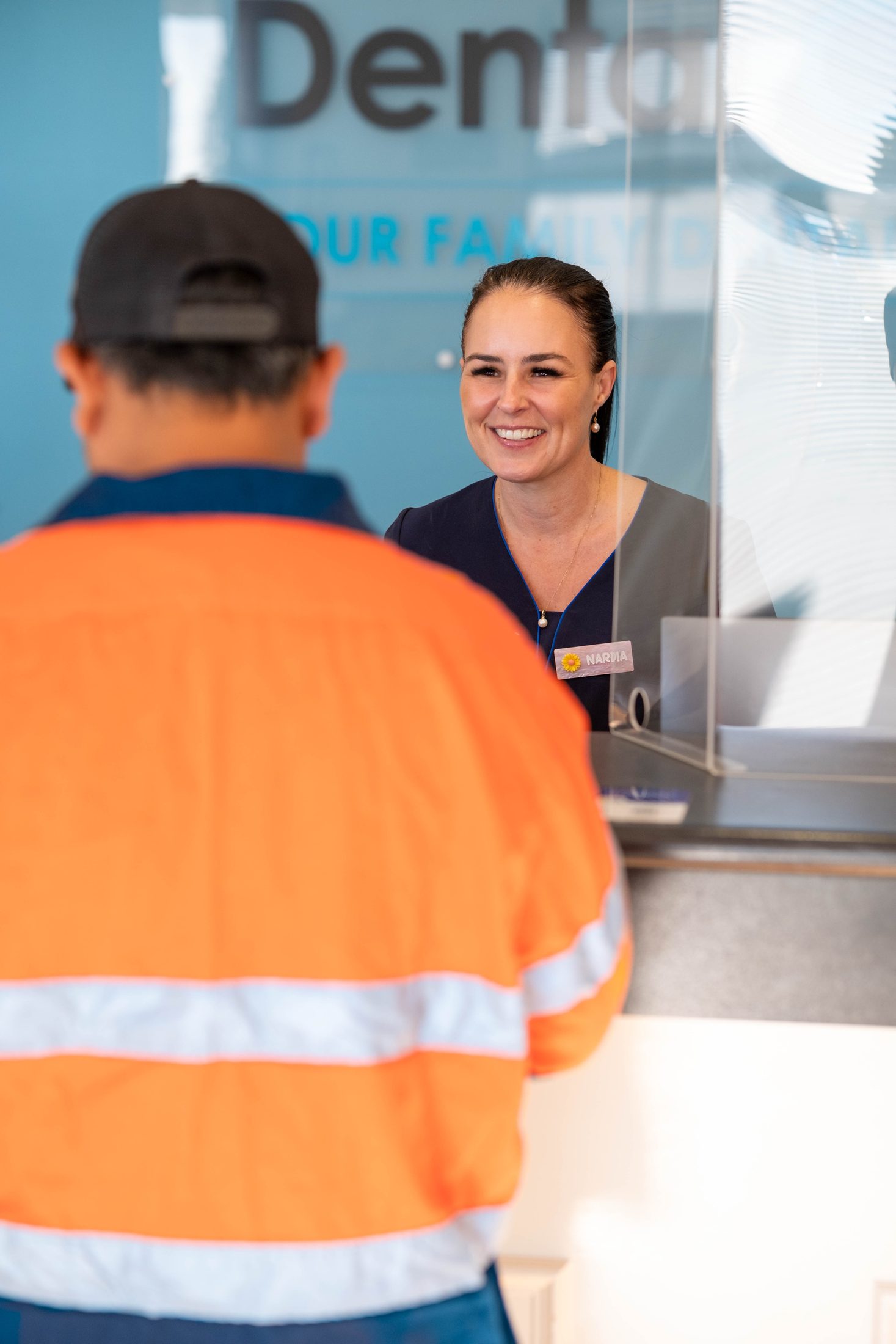
Calling is the right first move

Still in pain? The number is right there.

Whether you have an hour until close or you're ringing on a Saturday, picking up the phone is always the right first move. Even on a day you can't be seen, you'll know exactly where to go and what to do next.

(08) 9964 3577
Open now Closes at 5:00pm today
Address 10 Chapman Road · Geraldton WA 6530
Hours Mon–Fri · 8am – 5pm
After hours 000 · or Geraldton Health Campus ED
Give us a call