
Single tooth
Single-tooth implant
One missing tooth may sometimes be replaced with an implant-supported crown without relying on neighbouring teeth.
Written estimate
When several or most teeth are missing, extensively damaged or no longer suitable to maintain, treatment may need to be planned across the full mouth rather than one tooth at a time. Full mouth dental implant treatment may involve implant-supported bridges, full-arch restorations or a combination of approaches across the upper and lower jaw.
Planning begins with an assessment of the teeth, gums, available bone, bite and relevant health history. Suitable treatment options, alternatives, risks and expected stages can then be discussed before treatment is selected.
Full-mouth treatment is not necessarily one implant for every missing tooth. Depending on your starting point, a treatment plan may use individual implants, implant-supported bridges, full-arch restorations or a combination of these options.
The assessment considers which teeth may be maintained, which may require replacement, how the upper and lower teeth function together, and which treatment options may be appropriate for the clinical findings and treatment goals.
Implant treatment can look very different from one person to another. The treatment approach depends on the number and position of missing teeth, the condition of the remaining teeth, gum health, available bone, bite and other clinical factors.
One missing tooth may sometimes be replaced with an implant-supported crown without relying on neighbouring teeth.

Where several neighbouring teeth are missing, implants may sometimes support a fixed bridge instead of replacing every tooth with a separate implant.

When many or most teeth are missing or failing, treatment may involve a broader plan across one or both arches using a combination of implant-supported restorations.
Full-mouth implant treatment involves assessment of the teeth, gums, jawbone, bite and relevant health factors before suitable treatment options are discussed.
Which teeth can reasonably be maintained and which may need replacement.
Gum health, available bone and whether additional treatment may be required before implant treatment.
How the upper and lower teeth meet, including grinding or heavy bite forces.
Photographs, scans, X-rays or CBCT imaging may be used where clinically appropriate.
Relevant medical conditions, medications, smoking and other factors that may affect treatment planning or healing.
Cleaning access, ongoing maintenance and whether treatment may need to be completed in stages.
The exact sequence depends on your mouth, health history, records, and the treatment plan you choose after assessment.
The first visit assesses the current dental condition.
We start by understanding your concerns, goals, dental history, and relevant medical history.
This appointment helps decide what records are needed and whether implant-based treatment is worth investigating further.
Suitability is assessed after examination and records.
Photographs, scans, X-rays, or CBCT imaging may be recommended where clinically appropriate.
The aim is to understand the whole foundation before discussing surgical or restorative stages.
A written treatment plan is provided before treatment proceeds.
The plan considers which teeth can be maintained and which implant, restorative, denture, staged, or referral options may be suitable.
You should understand the likely stages, costs, risks, maintenance needs, and alternatives before making a decision.
Treatment timing depends on findings and healing.
If implant treatment is appropriate, timing depends on extractions, bone condition, healing, and the restoration design.
Some care may be staged. Referral or additional specialist assessment may also be discussed where appropriate.
Timing varies, with follow-up visits to assess healing.
Timing varies according to the procedure, bone condition, implant stability, and individual healing.
Review visits, home-care instructions, and diet advice help guide the healing stage.
Full-mouth implant-supported teeth still need ongoing care.
Once treatment is complete, reviews, professional maintenance, and home cleaning remain important.
Implants and restorations need monitoring because gum, bone, bite, and prosthetic issues can still develop over time.
Full-mouth implant treatment is not suitable for everyone. There may be simpler or more appropriate alternatives depending on your oral health, medical history, available bone, and treatment goals.
A clinical examination and appropriate records are required before the dentist can assess whether implant treatment may be suitable.
Treatment options and reasonable alternatives are discussed based on the clinical findings before a treatment decision is made.
Full-mouth implant treatment may be one option. Other suitable approaches may include dentures, bridges, staged care or referral, depending on the clinical findings.
Implant treatment costs vary depending on the implants, restorations, procedures and treatment stages required. After the appropriate examination and records, you will receive a written treatment plan outlining the proposed stages and associated fees.
Payment options can be discussed once your written treatment plan and treatment stages have been confirmed.
Compassionate release of super may be available in limited circumstances. Eligibility and approval are determined under ATO requirements and the rules of the individual super fund.
If you have private health insurance, rebates may vary depending on your fund, level of cover, waiting periods and annual limits. Treatment item numbers can be provided where appropriate so you can request an estimate from your fund.
Final figures are provided in writing after consultation and records. Any surgical or invasive procedure carries risks. Individual outcomes vary. Please seek a second opinion from an appropriately qualified health practitioner before proceeding.
Bring your questions about dentures, implant bridges, full-arch treatment, timing, cost, and maintenance. We will talk through the options before any treatment decision is made.
Dental implants are not maintenance-free. The gums and tissues around implants need regular cleaning, professional review, and ongoing monitoring.
Potential risks, healing factors and ongoing maintenance requirements are discussed before treatment.
Swelling, bruising, discomfort, bleeding, infection, implant failure, nerve or sinus concerns, and other complications are possible.
Healing time depends on the procedure, bone condition, gum health, medical history, and individual response.
Implant-supported teeth can wear, chip, loosen, or need adjustment over time.
Inflammation or bone changes can develop around implants, especially when cleaning is difficult.
Daily cleaning and regular dental visits help monitor implants, restorations, bite, gums and bone.
There is no universal number. A full-mouth plan may involve individual implants, implant-supported bridges, full-arch restorations, or alternatives that do not involve implants in every site.
The number depends on anatomy, bone availability, restoration design, bite forces, medical history, and treatment goals. This is why imaging and written planning are important before quoting or booking treatment.
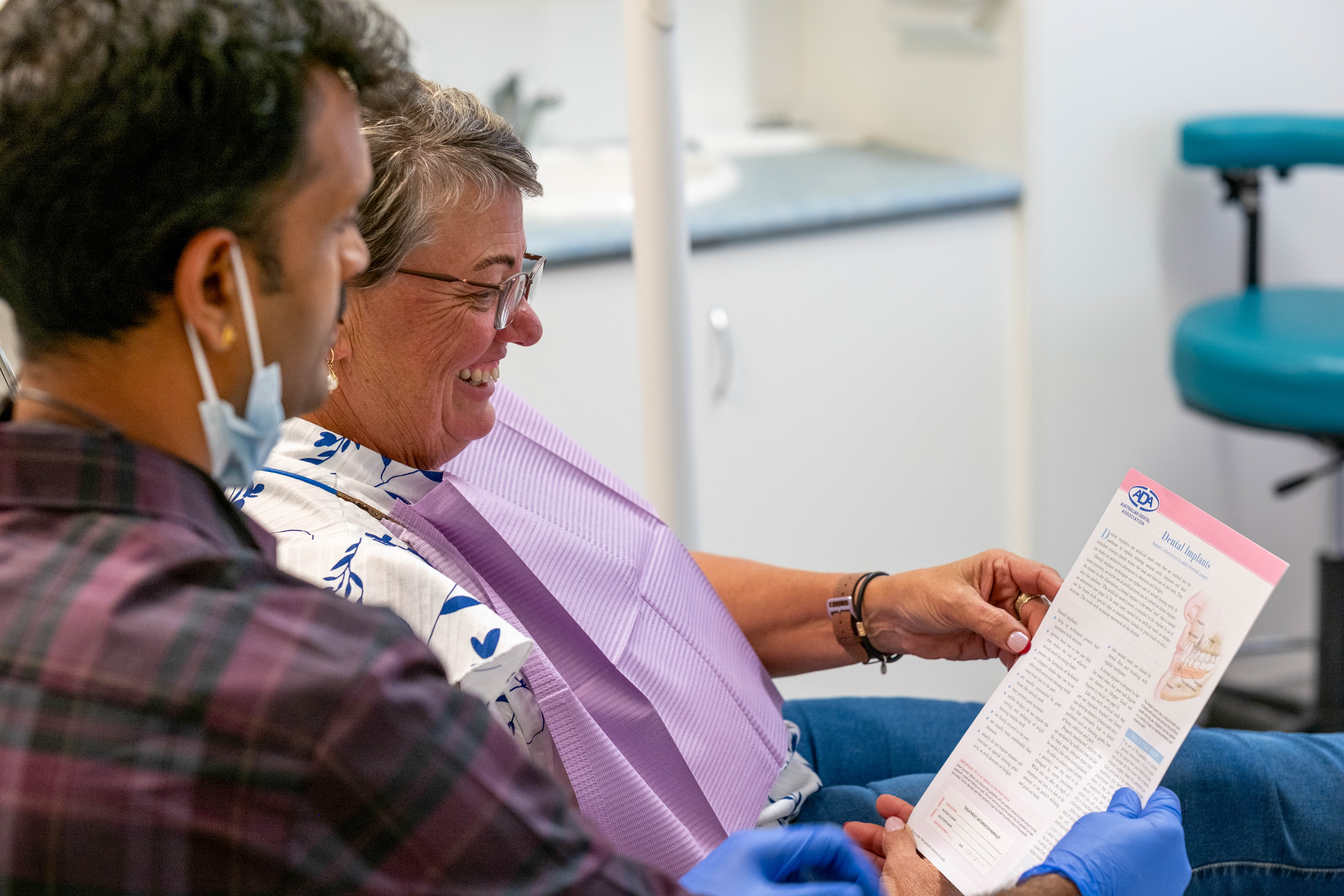
An implant consultation allows the dentist to assess the teeth, gums and available bone, discuss suitable treatment options and explain the potential stages, risks and considerations before treatment is selected.